
We’ve been so conditioned to “Accept All Terms” that trust has become a reflex rather than a decision. We often decide whether an app feels trust-worthy based on how it looks, such as clean design, familiar branding, or a small lock icon in the interface. If it feels professional, we tend not to question what happens to our data once we click “Agree.”
There is a real difference between what software claims to do and what it actually does, and that difference matters most when it comes to privacy. Privacy claims only mean something if they can be checked, not just accepted.
At its core, privacy is not about features or user experience, it is about whether the claims can be checked and verified, and could therefore be trusted for reasons that are more solid than a “trust me bro” basis.
Limitations of Closed Source Privacy
Most software that people rely on every day, from messaging apps to cloud services and productivity tools is closed source. This means that the code that determines how data is collected, processed, stored, or shared is hidden from both users and experts. When a company says that they don’t read your messages, or that they don’t track you, there is no practical way for you to verify that claim, unless the source code is made publicly available for inspection. Users are asked to trust what they cannot see, and blind trust is fragile.
This lack of visibility is often defended by the idea that secrecy itself provides security; closed source software is assumed to be safer simply because its internal components are hidden from peeping/hacking Toms, but Boulanger argues that if the "security through obscurity" approach is true, then the published vulnerability reports for closed source systems should be lower than Free Open Source Software counterparts, yet the available data proves otherwise. Real-world vulnerability data does not indicate higher risk in Open Source software, and in many cases widely used Open Source projects have fewer reported vulnerabilities than comparable closed source tools[1].
A famous example of a security advantage was the Morris worm that was launched in the early days of the internet, back in 1988, which affected thousands of the machines and possibly up to 10% of the overall machines that were connected to the internet back then. It was the availability of the source code that allowed a rapid response according to a thorough analysis by Eichin & Rochlis[2].
Closed source software is also built by organizations with profit generating incentives. These may involve advertising or data analytics, keep in mind that what started as social media websites have turned into thinly veiled ad machines under Meta. Without access to the source code, users cannot verify what data is collected, how encryption is implemented, or whether hidden access mechanisms exist, and whether the code has changed to increase value for shareholders at the expense of the users.
As the National Institute of Standards and Technology has long emphasized [3], security through obscurity is a fallacy. A vulnerability does not become safer because it is hidden. It simply becomes harder for defenders to discover and fix before it is exploited.
How Open Source Software Makes Privacy Verifiable
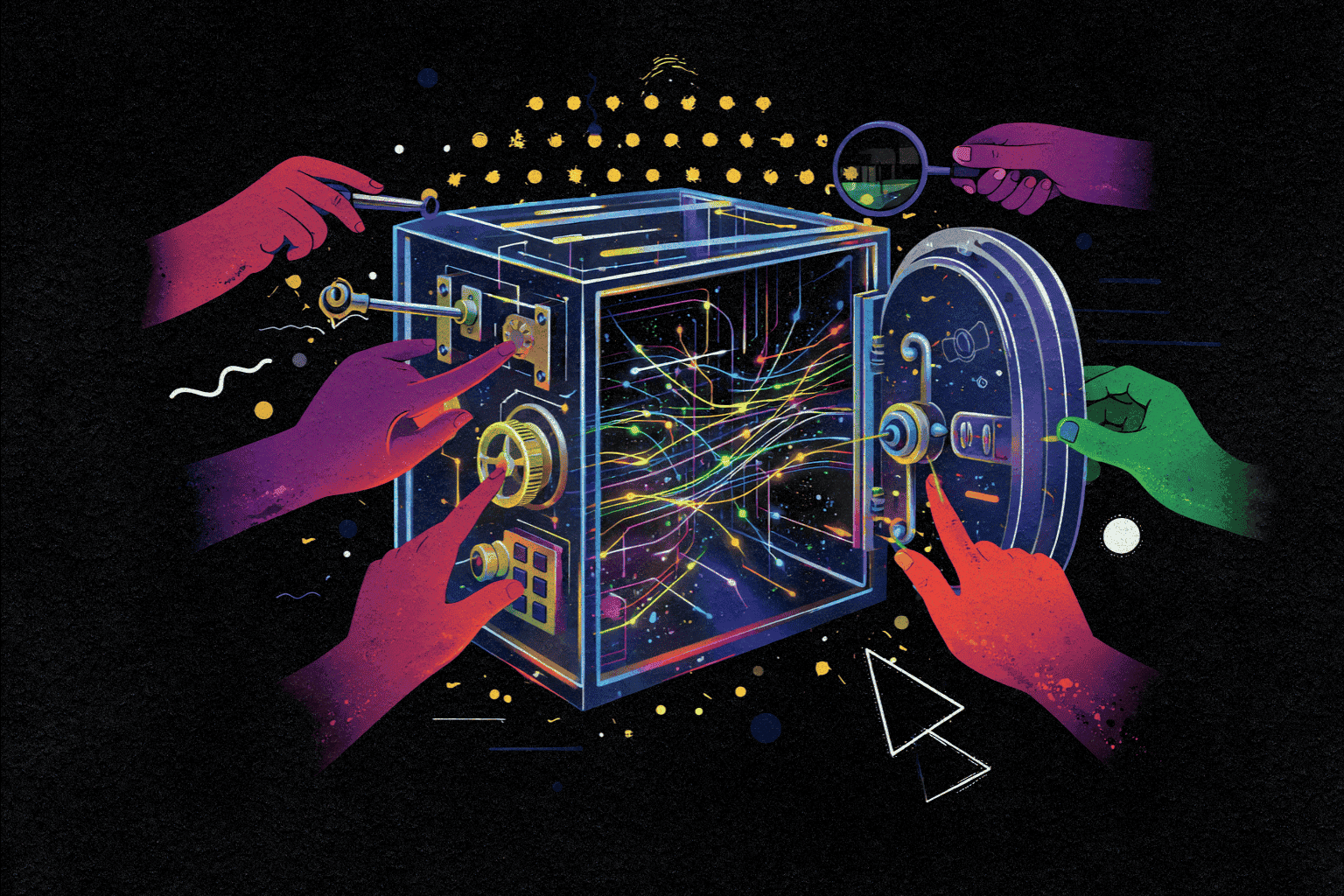
Open Source software takes a different approach to security and privacy. Instead of asking users to trust promises or branding, it makes the code itself visible. That visibility allows people to see how data is actually handled, turning privacy from a claim into something that can be verified. This approach matters because making code visible and verifiable strengthens privacy in three ways:
1. Public Code Review
When the source code is publicly available, many contributors can examine it instead of relying entirely on a single internal team. This idea is often summed up by Linus’s Law which states that “given enough eyeballs, all bugs are shallow”. The idea is simple; flaws are easier to spot when more people can directly see how a system works.
This matters for privacy because most privacy problems originate from the code itself. Data leaks, unnecessary logging, weak encryption, and metadata collection all come from how the software is programmed. In closed source software, these behaviours can’t be seen directly, so reviewers are forced to rely on indirect testing and assumptions about what the system is doing.
Open Source projects let others see how personal data moves through the system and check whether privacy claims match what the software actually does. Over time, this ongoing review becomes a continuous check on how user data is handled, not just on whether the software works.
2. Faster Security Fixes
Privacy risks often continue even after a vulnerability is discovered, lasting until the issue is fixed. In closed source systems, users are left waiting for vendors to detect the problem, admit that it exists, and decide how serious it is, then release a fix depending on their own timelines which mainly depend on the company priorities and capabilities. During that waiting period, sensitive data may still be exposed, and users have little they can do beyond hoping the issue is addressed.
Open Source projects work differently. When a privacy related issue is discovered, fixes can be discussed openly, tested, and shared without waiting on a single company to act. This shortens the time during which private data can be leaked or misused. Faster fixes mean less time that user information is at risk[4].
3. Accountability
Privacy cannot exist without accountability. If a system claims to respect user privacy, it must also be open to being held responsible for how it handles data.
Open Source software renders that accountability transparent. The code, security choices, and design decisions are open for others to see and question. Audits are possible, and problems can be raised when the software does not behave in the way it purports. Trust is built not by what the software promises but by delivering on the promises. Without visibility, misuse of personal data stays hidden, and without accountability, privacy becomes nothing more than a claim.
Conclusion
Choosing Open Source is more than a technical choice because it changes how trust works. Instead of asking users to rely on promises, it allows them to check how software actually behaves. If a tool handles private messages, passwords, identities, or health data, users should be able to understand what it is doing with their sensitive data and why.
Supporting Open Source software is not just about protecting data, it is about choosing tools that allows us to look under the hood, ask questions, and stay in control of the technology we depend on. When it comes to digital privacy, transparency is not optional, it is what makes privacy possible.

